Embedded Backup and Recovery for Medical Device Manufacturers
Medical devices increasingly rely on embedded Windows systems to power diagnostics, laboratory automation and patient care. When those systems fail, downtime can delay testing, increase service costs and impact customer confidence
Learn how leading medical device manufacturers build dependable recovery into their products from day one.
Why Recovery Matters
Modern medical devices are no longer just hardware.
They are sophisticated software-driven systems running Windows-based applications that control diagnostics, imaging, automation and laboratory workflows.
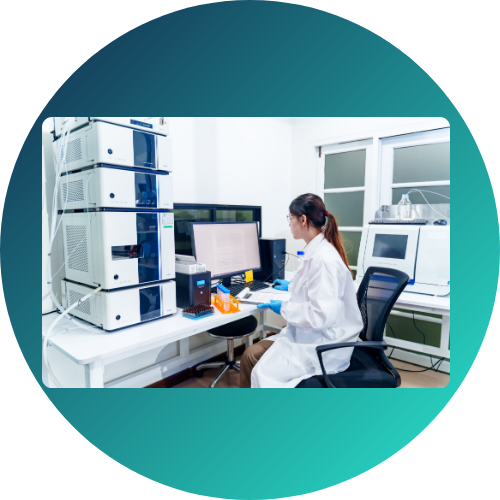
When software becomes corrupted, systems don't simply stop working.
Manufacturers face:
- Expensive field engineer visits
- Delayed patient testing
- Compliance concerns
- Damaged customer trust
- Costly downtime.

Common Recovery Challenges


What You'll Learn
✔ Recovery architecture
✔ Golden image strategies
✔ Remote recovery
✔ LTSC considerations
✔ Regulatory implications
✔ Recovery testing
✔ Reducing field service
Recovery by Design
The best medical device manufacturers don't treat recovery as an afterthought.
They build it into the product from the beginning. That means considering:
- Imaging
- Validation
- Deployment
- Lifecycle management
- Remote recovery
- Serviceability
Before a device ever ships.

Trusted by Leading Medical Device Manufacturers
When Sysmex America needed a recovery solution for its diagnostic systems, it wasn't just looking for backup software. It needed a dependable way to restore systems quickly, securely and consistently across multiple platforms in a highly regulated environment.
Today, Sysmex can perform remote restores in minutes, reducing labour by around 50%, minimising downtime and improving the service it delivers to healthcare providers.
"With Macrium, we can now perform remote restores — something unheard of in our industry. Our teams can bring systems back online in minutes, cutting labour by around 50% and reducing downtime that directly impacts patient care."
“Before Macrium, remote restores weren’t even possible. Now, our teams can recover systems in minutes, with backups that are encrypted, secure, and consistent every time. Macrium stood out because it worked across all our platforms, was easy to use, and delivered the stability and speed we needed in a highly regulated environment.”
Why Leading Medical Device Manufacturers Choose Macrium
Medical device manufacturers need more than backup software. They need a recovery solution that fits the realities of designing, shipping and supporting regulated devices that remain in service for many years.
Macrium is built to support those environments with:
- Lifecycle stability – An LTSC release designed for long-lived products where stability matters more than frequent feature updates.
- Fast, dependable recovery – Restore systems to a known-good state in minutes to minimise disruption and reduce costly service visits.
- Built for regulated environments – Support validation processes with predictable software behaviour and secure, encrypted backups.
- Works across your product portfolio – Consistent recovery across Windows-based medical devices, from laboratory instruments to diagnostic systems.
- Offline and remote capable – Recover systems in environments where internet connectivity isn't available, while enabling remote recovery where it is.

FAQs
What is embedded backup for medical devices?
Embedded backup enables medical device manufacturers to build backup and recovery capabilities directly into the systems they ship. Rather than relying on end users to implement their own backup strategy, manufacturers can provide a dependable way to restore devices to a known-good state if software becomes corrupted or a system fails.
Why do medical device manufacturers need backup and recovery software?
Modern medical devices rely on Windows-based computers to run critical applications and workflows. A reliable backup and recovery solution helps minimise downtime, reduce field service costs and restore systems quickly when software issues occur.
What are the benefits of building recovery into a medical device?
Designing recovery into a product from the outset helps manufacturers improve product reliability, reduce support costs, speed up recovery, simplify field service and deliver a better experience for healthcare providers and patients.
How can manufacturers reduce field service visits?
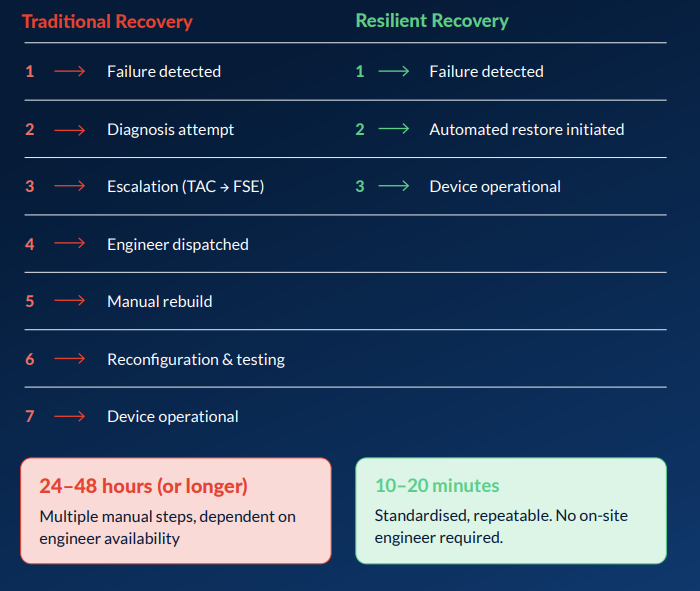
By enabling remote recovery or allowing devices to be restored to a known-good state without complex manual intervention, manufacturers can resolve many software issues without sending an engineer to site.
Is backup and recovery important for regulated medical devices?
Yes. Manufacturers need solutions that provide predictable, repeatable recovery processes and fit within long product lifecycles. Stability and consistency are often just as important as recovery speed.
Can backup and recovery work on Windows IoT and embedded Windows systems?
Yes. Many medical devices run Windows IoT Enterprise or other embedded Windows operating systems. Image-based backup and recovery can help protect these systems throughout their operational lifecycle.
How does Macrium support medical device manufacturers?
Macrium helps manufacturers build dependable recovery into their products with fast system imaging, reliable restoration, long-term lifecycle stability and flexible deployment options designed for embedded Windows environments.
Why is recovery becoming a competitive advantage for medical device manufacturers?
As medical devices become increasingly software-driven, customers expect them to recover quickly from failures, not simply avoid them. Manufacturers that can minimise downtime, reduce service costs and improve operational resilience can differentiate their products and deliver greater long-term value to healthcare providers.