The State of Backup & Recovery in Manufacturing 2026
Independent research into how manufacturers are approaching backup, recovery, and operational resilience across IT and OT environments.
Based on responses from mid-market and enterprise manufacturing organizations across the UK and North America.
- Independent research conducted with NewtonX
- Manufacturing-focused respondents only
- IT and OT decision-makers included

Confidence in backups is far from universal and regular backup is even less common
Backup and recovery confidence in manufacturing remains mixed.
The research shows that only just over half of organizations feel confident in their backups, while only half back up systems on a regular basis.
In complex IT and OT environments, this gap between confidence and consistency creates risk. Without regular, reliable backups, recovery issues are more likely to surface during real incidents rather than controlled conditions.
Why This Matters
When confidence is not supported by consistent backup practices:- Recovery failures are harder to predict
- Downtime lasts longer than expected
- Critical systems face increased operational risk
Improving recovery readiness starts with aligning confidence to consistent execution.
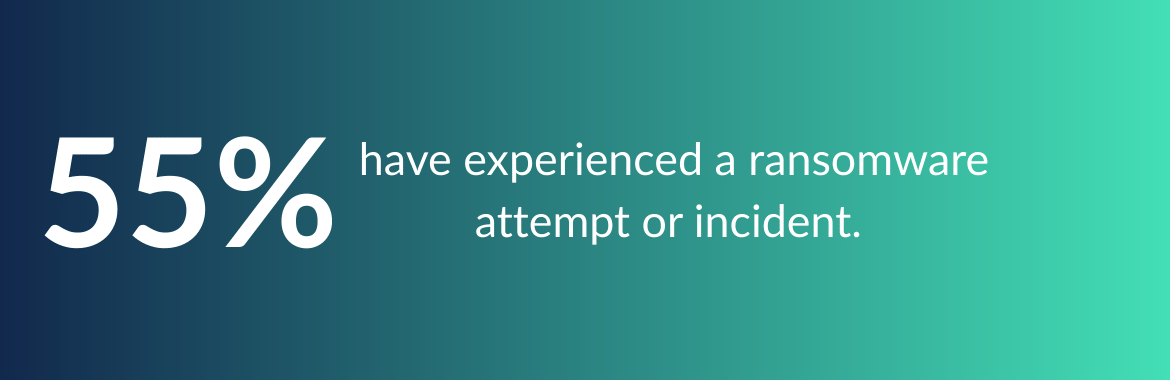
Ransomware is no longer a theoretical risk for manufacturing organizations
Ransomware is now a lived reality across manufacturing environments.
The research shows that more than half of organisations have already experienced a ransomware attempt or incident, highlighting how widespread and persistent the threat has become.
While not all incidents result in major disruption, a meaningful minority of organisations report significant operational impact - reinforcing that ransomware preparedness is no longer optional.
Why This Matters
When ransomware incidents occur:- Recovery speed becomes critical to limiting downtime
- Operational disruption can extend beyond IT into production systems
- The ability to restore systems reliably is as important as preventing attacks
This shifts the focus from prevention alone to recovery readiness as a core part of resilience planning.

Regular backup testing remains the exception rather than the norm
Regular testing is essential to ensure backups can be restored successfully when needed.
Despite this, the research shows that a significant proportion of manufacturers test backups infrequently - with around one third testing only once a year or less.
In manufacturing environments, where systems are complex and downtime is costly, infrequent testing increases the risk that recovery issues are only discovered during real incidents rather than controlled conditions.
Why This Matters
When backups are not tested regularly:- Recovery failures are harder to anticipate
- Restore times are longer than expected
- Confidence in recovery may be misplaced
- Downtime and operational impact increase
Testing is a critical step in turning backups into reliable recovery plans.
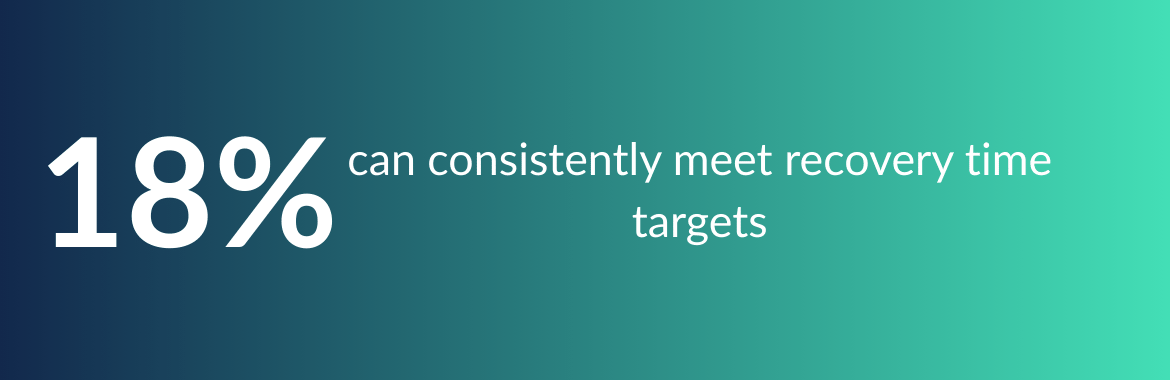
Most manufacturers struggle to meet their recovery time objectives
Recovery time objectives (RTOs) define how quickly systems must be restored after an incident.
However, the research shows that fewer than one in five manufacturers can consistently meet their defined recovery targets.
In environments where downtime directly impacts production, safety, and revenue, missing RTOs can have severe operational and financial consequences.
Why This Matters
When RTOs are not achievable in practice:- Downtime lasts longer than planned
- Production and supply chains are disrupted
- Recovery plans lose credibility internally
Meeting recovery targets requires realistic planning, regular testing, and recovery processes aligned to operational realities.
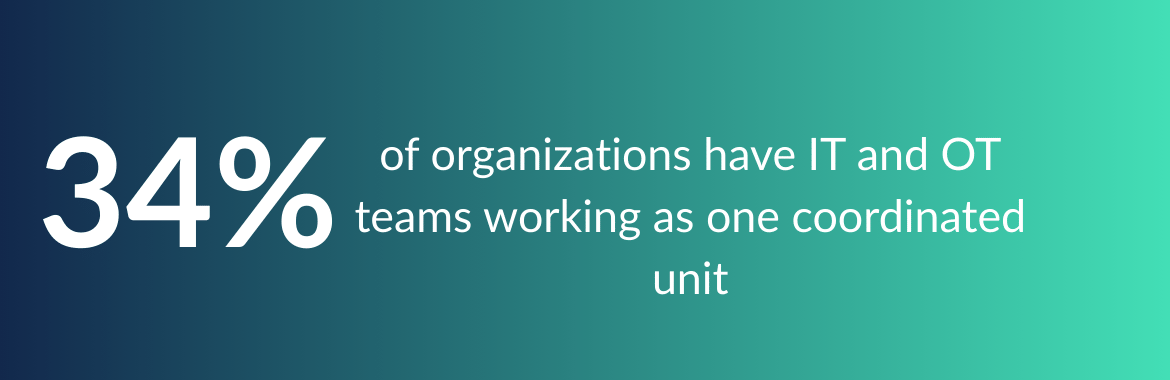
Only 34% of IT and OT teams are fully coordinated on backup and recovery
As IT and Operational Technology environments become more interconnected, effective recovery increasingly depends on coordination across teams.
The research shows that fewer than four in ten organisations have IT and OT teams working as one coordinated unit on backup and recovery. In the majority of cases, responsibility is split, informal, or unclear - making recovery harder to plan, test, and execute when incidents occur.
Why This Matters
- When ownership is fragmented:
Recovery processes are harder to test consistently - Expectations around recovery time are misaligned
- Incidents take longer to resolve
- Accountability becomes unclear during outages

Legacy systems and technical debt remain the biggest recovery challenge
Manufacturing environments often rely on long-lived systems that were never designed with modern recovery expectations in mind.
The research shows that nearly two thirds of organisations view legacy technology and technical debt as the primary obstacle to improving backup and recovery.
These systems increase complexity, limit testing options, and make recovery slower and less predictable.
Why This Matters
When legacy systems dominate:- Recovery processes become fragile
- Modern tools are harder to deploy
- Testing and validation are constrained
Improving recovery readiness often requires working around — not replacing — legacy infrastructure.

The research reveals common challenges across manufacturing environments:
🔹 Infrequent restore testing
🔹 Fragmented IT and OT ownership
🔹 Recovery processes that rely on tribal knowledge
🔹 RTOs that are defined — but not consistently met
Addressing these gaps requires more than backups alone. It requires centralized visibility, validated restores, and scalable recovery management across distributed environments.
For organizations looking to operationalize recovery readiness, solutions like Macrium SiteBackup are designed to centralize control while maintaining flexibility in complex IT and OT infrastructures.


About Macrium
Macrium works with organizations to help ensure critical systems can be recovered reliably when disruption occurs.
With experience supporting complex, multi-site manufacturing environments, Macrium focuses on recovery - not just backup - to help organizations reduce downtime and operational risk across IT and OT systems.